
Cherry Blossom Season Full Japan & Korea Tour Mystic Routes
22 April 2027 – 1 May 2027
|
9 Nights, 10 Days
Tour details
EXAMPLE (etc.) HOTELS
SEOUL
4* Kukdo Hotel etc.
OSAKA
4* Noku Osaka etc.
TOKYO
4* Hotel Monday Toyosu etc.
PARTICIPATION REQUIREMENT
This tour is organized with a minimum participation requirement of 20 people. If sufficient participation is not achieved, the final cancellation notice date is 20 days before the tour start date. The tour canceled due to insufficient participation will be notified to you through your agency.
VISA (KOREA)
Ordinary Passport - Easy Visa
Green Passport - Easy Visa
Service Passport - Easy Visa
You must have a passport valid for 6 months from the end date of the trip and not older than 10 years.
VISA (JAPAN)
Ordinary Passport - Visa not required
Green Passport - Visa not required
Service Passport - Visa not required
You must have a passport valid for 6 months from the end date of the trip and not older than 10 years.
HEALTH
Those who take regular medication are advised to bring more than they need. Because not all kinds of medicine can be found in the country. In addition, if you have a serious health problem (heart, blood pressure, diabetes, etc.), it would be beneficial to carry a document signed by your doctor. Also, we recommend that you do not drink tap water and instead drink bottled water that you open yourself for the first time.
FLIGHT TIMES
Istanbul - Seoul 12 h 30 min
Osaka - Istanbul 10 h 00 min
OPTIONAL TOURS & ACTIVITIES
Optional tours and Activities are organized by the local agency from which we receive service with a minimum participation requirement of 20 people, and participation is not mandatory. If sufficient numbers are not achieved, excursions cannot be carried out, or the prices, content, and vehicles used for optional tours/activities may vary depending on the number of participants. In addition, the days and times of optional tours/activities may be changed by the guide according to whether the museums, archaeological sites, or venues in the places to be visited are open/closed and according to weather conditions.
ACCOMMODATION
During periods such as fairs, congresses, concerts, events, sports tournaments, etc., hotels may be used at a distance greater than the specified km.
3-person rooms may be provided depending on hotel availability, and the bed provided to the 3rd person in such rooms may be smaller than standard beds. 3-person rooms consist of 1 large bed and 1 extra bed. Since extra beds are pull-out beds and beds called coach beds, participants making 3rd person and/or child reservations are deemed to have declared that they accept the possible cramped conditions in the rooms and the type of bed.
Child discounts are valid for only one (1) child staying with 2 adults and matching the age group specified in the pricing section.
Breakfasts taken at the hotel among the services included in the tour program are served according to the breakfast culture of the country in question and generally with a limited menu called continental breakfast, consisting of butter, jam, bread, tea or coffee, and may be served in a separate hall allocated to the group for groups.
CURRENCY
Japan's currency is the Yen (JPY). South Korea's currency is the (KRW). For this trip, we recommend that you bring USD with you and also have small denominations of it with you.
TIME ZONE
There is a +6 hour difference between Turkey and both countries. While it is 12.00 in Turkey, it is 18.00 in the countries we will be traveling to
PHONE USE
All mobile phone operators can be used if your phone is open to international roaming. However, there may be no network in some parts of the country.
CLOTHING AND NECESSARY ITEMS
We recommend that you bring T-shirts that you can easily put on and take off, short- and long-sleeved shirts, cotton trousers, comfortable walking shoes, and a thin jacket or cardigan. We recommend choosing non-synthetic, cotton clothing. You may also bring a raincoat and umbrella in case of rain. In addition, you may also bring a hat, sunglasses, sunscreen, earplugs against possible noise, a camera, video camera, and their chargers and spare memory cards.
FOOD CULTURE
The region is dominated by a cuisine belonging to Far Eastern food culture. We recommend that you do not buy anything from street vendors. In addition, you will notice that the meals we will have in the restaurants and hotels we visit suit your taste.
SHOPPING
Both countries are a true shopping paradise, especially for electronics. Apart from that, traditional clothing and souvenirs can also be purchased.
IMPORTANT NOTES
Having a valid passport and/or a visa (for destinations/passports that require a visa) does not mean that entry into the country will be granted. The passport police has the authority to deny you entry into the country. The agency is not responsible for this situation; responsibility belongs to the passenger.
The agency is an intermediary institution between the airline and the passenger and is subject to the Hague Protocol dated 28.09.1955. There may be a risk of delay on scheduled and special flights, or the times may change before the current trip and flight. The agency is obliged to notify these changes as soon as possible. Our passengers have purchased the tour knowing and accepting that flight details may change. Children aged 0-2 do not pay airport tax and airport service fees
The panoramic city tours included in the tour package are tours of up to 2-3 hours organized for the general introduction of the cities and conducted panoramically from inside the vehicle with guide narration, without museum or archaeological site entries. Panoramic tours, including the other tours specified in the program, if they cannot be carried out on the day and time of the tour due to places not being allowed to be visited or entered by local authorities, or because of closed roads due to any event, and likewise if it becomes impossible to carry out the tour due to weather conditions, the agency is not responsible for the inability to carry out the tours in question. Some tours may be conducted by public transportation or on foot, within possibilities, at closed roads or points where vehicle entry is not allowed.
What's included
- Round-trip economy class flight ticket on a scheduled Turkish Airlines flight from Istanbul–Seoul / Tokyo–Istanbul
- Airport taxes
- Transportation service between Osaka and Tokyo by Shinkansen
- Economy class flight ticket and taxes between Seoul and Osaka on local airlines
- 3 nights' accommodation in 4* hotels in Tokyo, including bed & breakfast
- 2 nights' accommodation in 4* hotels in Osaka, including bed & breakfast
- 2 nights' accommodation in 4* hotels in Seoul, including bed & breakfast
- Panoramic city tours of Tokyo, Osaka, and Seoul
- Fuji Mountain and Lake Kawaguchi tour worth 200 USD included
- Kamakura & Outlet tour worth 200 USD included
- Kyoto & Nara tour worth 200 USD included
- Transfers between airport – hotel – airport
- Turkish-speaking guide service
- TURSAB compulsory professional liability insurance
- Travel and health insurance (a surcharge applies for those over 65).
- Ket-a Visa
Not included
- Fees for personal and official items such as exit tax, visa, etc.
- All kinds of personal expenses and hotel extras
- All services not explicitly stated in the program and included services
- Optional excursions / activities, if included in the program
- Alcoholic / non-alcoholic beverages taken during included meals, if any in the program
- Domestic connecting flights and domestic transportation fees
- Driver tips and gratuities are excluded
Tour Program
Istanbul - Seoul
We meet at Istanbul Airport International Terminal. After ticket and baggage procedures, we fly to Seoul on a scheduled Turkish Airlines flight. Overnight on board.
only
After arriving at Seoul Airport early this morning and completing our passport and baggage procedures, we begin exploring Seoul, the capital of South Korea. With a metropolitan population of approximately 25 million, Seoul is one of the world’s largest cities and an important Asian metropolis that combines modern urban life with historic structures and traditional culture preserved for centuries. On our city tour, our first stop is Gyeongbokgung Palace, which was built in 1395 by King Taejo, the founder of the Joseon Dynasty, and served as the dynasty’s main royal palace. Used as the administrative center of the Korean Kingdom for nearly 500 years, this magnificent palace complex is considered one of the most important examples of traditional Korean architecture. The palace, with its spacious courtyards, historic gates, ceremonial areas, and elegant gardens, is today one of the most visited historical landmarks in Seoul. We then head to the Insa-dong District, one of the centers of Seoul’s cultural and artistic life. Famous for its traditional Korean handicraft shops, art galleries, antique stores, tea houses, and souvenir shops, this historic street is among the most preferred areas for visitors who want to get to know Korean culture up close. During our walk here, we will have the opportunity to observe both traditional and modern Korean life side by side. Continuing our city tour, we move on to Myeong-dong, one of Seoul’s liveliest shopping districts. Known for its world-famous cosmetic brands, fashion stores, large shopping centers, and street food, this area welcomes millions of local and international visitors every year. With its wide streets and vibrant atmosphere, Myeong-dong is one of Seoul’s most popular spots; here you can shop, sample Korean-style snacks, and experience the lively pace of city life firsthand. After the meal and shopping break provided by our guide, we transfer to our hotel. After checking into our rooms, you may spend the rest of the day relaxing or exploring the surroundings independently. Overnight at our hotel.
only
After breakfast at our hotel this morning, we will continue our city tour. Our first stop will be Gangnam District, known worldwide thanks to the famous “Gangnam Style” song. Today, Gangnam is one of Seoul’s most prestigious districts, with luxury shopping malls, modern plazas, wide avenues, and technology companies. We will make a short photo stop at the Gangnam Style Monument, which has become the symbol of the district. Afterwards, we visit Starfield Library located inside COEX Shopping Mall, one of the world’s most iconic libraries with its giant bookshelves. In this special venue, which stands out with its approximately 13-meter-high bookshelves and impressive architecture, we will have free time for photos and to explore the area. Later, we head to Hongdae District, known as a meeting point for young people. This neighborhood, developed around Hongik University, stands out for its street artists, live music performances, boutique shops, concept cafés, and being one of the areas where K-Pop culture is most strongly felt in daily life. During the free time provided here, our guests may shop, visit concept cafés, or enjoy the energetic street atmosphere of Seoul. Afterward, we take a walk through historic streets where Hanok houses, which carry traditional Korean architecture into the present day, are located. In these historic buildings restored and brought back to life, stylish cafés, restaurants, and traditional Korean barbecue restaurants blend the atmosphere of old Seoul with modern city life. Guests who wish may have the opportunity here to taste different flavors of Korean cuisine and spend pleasant time. Afterwards, transfer to our hotel.
Seoul - Osaka
After our breakfast, we check out of our hotel. Then we will transfer to Seoul Airport. After our ticketing and baggage procedures, we will take our flight to Osaka. Upon arrival, we will carry out our Osaka city tour. Osaka is traditionally regarded as the "Nation’s Kitchen" or the gourmet food capital of Japan. The literal meaning of Osaka is "Big Hill" or "Large Slope." In our city tour in Osaka, we first begin with Osaka Castle, one of the finest examples of Japanese architecture, built in the 16th century. The castle was constructed by Toyotomi Hideyoshi, who united Japan and ruled from 1585 to 1598, and it is known that an average of 100,000 workers took part in its construction. After Osaka Castle, we visit Shitennoji Temple, one of the oldest temples in Japan. Shitennoji is one of Japan’s oldest temples and was built in 593 by Prince Shotoku. After these visits, we will have free time in Osaka’s bazaars, where we will have the chance to explore the city’s culinary spots, which can be considered a paradise for shopping and dining. After the tour, transfer to our hotel. Overnight at the hotel.
Osaka
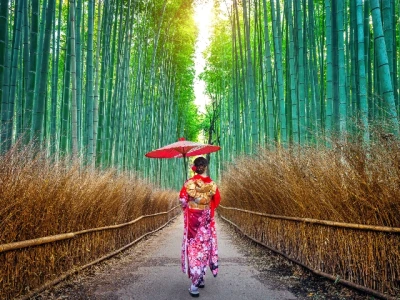
After breakfast at our hotel, we begin our Nara & Kyoto tour, where we will discover Japan’s historical and cultural heritage. Our first stop will be the historic city of Nara, which served as Japan’s capital between 710 and 794 AD and is listed as a UNESCO World Heritage Site. Here, we first visit Todai-ji Temple, one of the largest wooden temples in the world, home to the giant Great Buddha (Daibutsu) statue. Then, we enjoy a pleasant walk and photo break in Nara Park, where hundreds of sacred Sika deer roam freely. After our Nara visit, we head to Kyoto, Japan’s cultural capital. In this unique city, which served as Japan’s capital for more than a thousand years and is home to many structures listed as UNESCO World Heritage Sites, we first visit Kinkaku-ji (the Golden Pavilion), which has become Kyoto’s symbol. Covered in gold leaf, this magnificent structure and its surrounding Japanese gardens offer one of the city’s most impressive views. Next, we visit Fushimi Inari Taisha Shrine, famous for its thousands of red torii gates. In this sacred area, which also featured in memorable scenes from Memoirs of a Geisha, we will have the opportunity to closely explore one of the most iconic symbols of Japanese culture. We then continue to the Arashiyama District, where we take a walk through the peaceful atmosphere of the Arashiyama Bamboo Grove, famous for its towering bamboo stalks, and take unique photos. In the final part of the day, we visit the Gion District, one of the finest examples of traditional Kyoto. In this area, famous for its historic streets, wooden houses, and tea houses, you will have free time to explore Kyoto’s authentic atmosphere as you wish. After the tour, we transfer to our hotel and spend the night there.
Osaka - Tokyo
This morning, after breakfast at our hotel, we will transfer to Tokyo by Shinkansen high-speed train. Upon arrival, we will begin our Tokyo city tour to explore Tokyo, one of the world’s largest and most dynamic metropolises. In this fascinating city, where traditional Japanese culture and modern life blend in perfect harmony, we will have the opportunity to closely discover both historical sites and some of the world’s most important shopping and lifestyle centers.
Our first stop on the tour will be Asakusa, one of Tokyo’s oldest and most visited districts. As we walk through this historic area, which has preserved its traditional Japanese atmosphere to the present day, we will see souvenir shops, small stores selling local delicacies, and streets notable for their historical architecture. Next, we visit Sensoji Temple, which was built in 645 AD and is considered Tokyo’s oldest Buddhist temple. At the temple’s entrance stands the giant Kaminarimon (Thunder Gate), with its enormous red lantern, one of Japan’s most recognizable symbols. The approximately 250-meter-long Nakamise Shopping Street leading to the temple offers visitors a pleasant stroll with its traditional Japanese crafts, souvenirs, and local snacks.
After our city tour, we head to Ginza, one of Tokyo’s most prestigious shopping and lifestyle districts. Named after the silver coin mint established in the area in 1612, Ginza is formed from the combination of the words “gin” (silver) and “za” (guild). Today, Ginza is regarded as one of the world’s leading luxury shopping districts and features flagship stores of international brands, Japanese designer boutiques, large shopping centers, art galleries, and distinguished restaurants. We will take a short walk through Ginza, one of Tokyo’s most striking districts with its wide avenues, modern architecture, and orderly urban planning.
In the final part of our tour, we visit Shibuya, one of Tokyo’s most vibrant and iconic areas. Here, we will see the Hachiko Statue, which is known worldwide for its loyalty to its owner and has become an important symbol for the Japanese people. The statue is one of Tokyo’s most famous meeting points and is photographed by millions of visitors every year. Then, we will see the famous Shibuya Crossing, regarded as one of the busiest pedestrian crossings in the world, where thousands of people cross at once during a single traffic light change at peak times. With its giant digital screens, tall buildings, and constantly moving city life, Shibuya stands out as one of the districts that best reflects Tokyo’s modern face.
After our city tour, we will transfer to our hotel. Accommodation at our hotel.
Tokyo
After breakfast at our hotel, we begin our tour of Mount Fuji and Lake Kawaguchi, where we will explore Japan’s most impressive natural beauties. An unforgettable day awaits us, with the natural wonders, traditional villages, and unique scenery surrounding Mount Fuji, which is listed as a UNESCO World Heritage Site. On our first stop, we arrive at an area where we can admire the magnificent Mount Fuji up close—the highest peak in Japan at 3,776 meters and, for centuries, regarded as one of the most important symbols of Japanese culture. Considered sacred in Shinto and Buddhist beliefs, Mount Fuji has been a source of inspiration for works of art, literature, and Japanese culture throughout history. If weather and road conditions permit, we will ascend as close as possible to the most suitable viewing point on the mountain, giving us the chance to see and photograph this extraordinary natural wonder up close. We then set our course for Oshino Hakkai Village, located at the foot of Mount Fuji and one of the few places that has preserved traditional Japanese village life to the present day. Famous for its eight natural spring pools, this historic village is home to exceptionally clear spring waters formed as Fuji’s snowmelt filtered through layers of natural rock over the course of decades. With its traditional thatched-roof houses, small bridges, natural water channels, and peaceful atmosphere, Oshino Hakkai is considered one of Japan’s most beautiful rural settlements. Here, we will explore the village’s historical texture and have the opportunity to enjoy pleasant time accompanied by views of Mount Fuji. We continue our tour to Arakurayama Sengen Park, home to one of the most iconic views associated with Mount Fuji. The five-story Chureito Pagoda located within the park, together with Mount Fuji rising in the background, is one of Japan’s most photographed spots. Especially in spring with cherry blossoms and in autumn with the red maple leaves, this area offers postcard-like scenery and ranks among Japan’s symbols. From the observation terrace, we will have the opportunity to admire and photograph a unique panoramic view of Mount Fuji, the pagoda, and the surrounding residential area in the same frame. On the final stop of the day, we arrive at Lake Kawaguchi, the largest and one of the most popular of the Fuji Five Lakes. Located at the northern foot of Mount Fuji, this lake is one of the region’s most important natural attractions with its tranquil atmosphere and stunning views. During our boat ride on the lake, if the weather conditions are favorable, we will have the chance to witness the mesmerizing reflection of Mount Fuji on the water’s surface. While enjoying the peaceful atmosphere of nature, we will experience unforgettable moments and photograph some of the region’s most beautiful scenery. After the tour, we transfer to our hotel. Overnight at our hotel.
Tokyo
After breakfast at our hotel, we begin our Kamakura & Outlet tour, where we will combine Japan’s historical heritage with the pleasure of shopping. After visiting Kamakura’s historic temples, once the political center of Japan, we will have the opportunity to enjoy one of the country’s most popular shopping centers. Our first stop is Kamakura, known as the city where Japan’s shogunate rule was born. Kamakura, which served as Japan’s political and military center for about 150 years from the late 12th century onward, is now regarded as one of Japan’s most important cultural cities, with its historic temples, natural beauty, and traditional atmosphere. Our first visit will be Kotoku-in Temple, one of the most important Buddhist temples of the Jōdo-shū sect. The temple is famous for the Great Buddha (Daibutsu) of Kamakura, a bronze statue approximately 13 meters high, which is one of Japan’s symbols. Cast in the 13th century, this enormous bronze statue is considered one of Japan’s most important cultural heritage assets and has managed to stand for centuries despite earthquakes and natural disasters. We then visit Hokokuji Temple, known as one of the most serene temples in Kamakura. This historic temple, affiliated with the Zen Buddhist tradition, is especially renowned for its impressive bamboo grove of about 2,000 bamboo stalks. With its quiet walking paths and atmosphere surrounded by nature, Hokokuji offers visitors a peaceful setting and is one of Kamakura’s most popular attractions. Here, we will have the opportunity to experience mochi, one of the most beloved traditional sweets of Japanese cuisine made from rice, accompanied by matcha (green tea), an important part of Japan’s traditional tea culture. After our historical tour, we head to one of Japan’s most popular open-air outlet shopping centers. During free time in this spacious shopping complex, home to many international and Japanese brand stores, you can shop from a wide range of categories such as clothing, sports goods, electronics, home items, and souvenirs, relax in cafés, or explore the area at your own pace. After the free time for shopping, we return to our hotel in Tokyo. Overnight at our hotel.
Tokyo - Istanbul
After breakfast at our hotel this morning, we will have free time until our flight time. Afterwards, we will meet at the time determined by our guide and transfer to the airport. Following our baggage and ticket procedures, we will board our Turkish Airlines scheduled flight to Istanbul. Overnight on the plane.
Istanbul
Our tour ends after our early morning arrival in Istanbul.